
The One Local Habit That Instantly Makes You Experience Campbell River Like a Resident

Quick Tip
Plan your day around the tides and water conditions instead of a fixed schedule to experience Campbell River like a local.
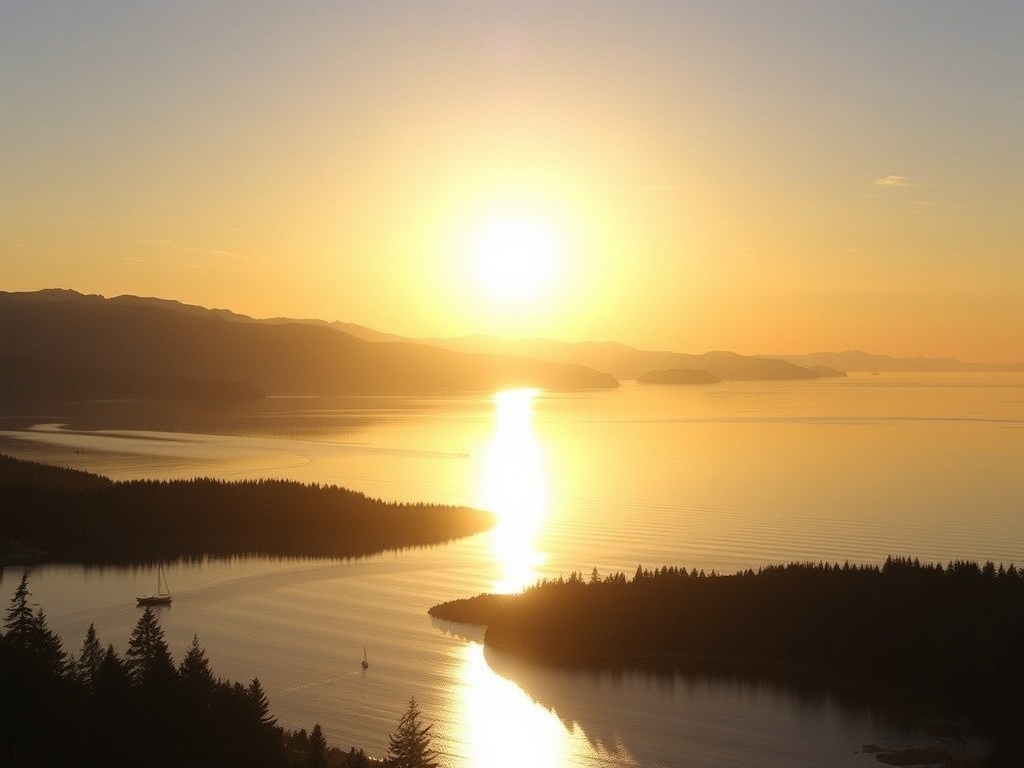
If you spend even a weekend in Campbell River, you’ll notice something quickly: locals don’t rush through this place. They move with it. The tide, the light, the weather, the rhythm of the ocean—it all dictates how a day unfolds. Visitors often try to “fit in” everything. Locals do the opposite.
Here’s the single habit that changes everything: plan your day around the water—not the clock.
Why This One Shift Matters More Than Any Itinerary
Campbell River isn’t a checklist destination. It’s not built for tight schedules or packed itineraries. It’s a place where timing is fluid because the environment is constantly changing.
The tides shift dramatically. Wildlife appears unpredictably. Light conditions transform entire landscapes within minutes. If you try to force a rigid plan here, you’ll miss the best moments.
Locals understand this intuitively. They check tide charts before making plans. They glance at the sky before heading out. They know that a calm morning might be perfect for kayaking, while an incoming tide might make for better shoreline exploring.
This isn’t about being spontaneous for the sake of it—it’s about aligning with how this place actually works.
What “Planning Around the Water” Actually Looks Like
This habit sounds simple, but it changes how you structure your entire day.
Start with the tide chart
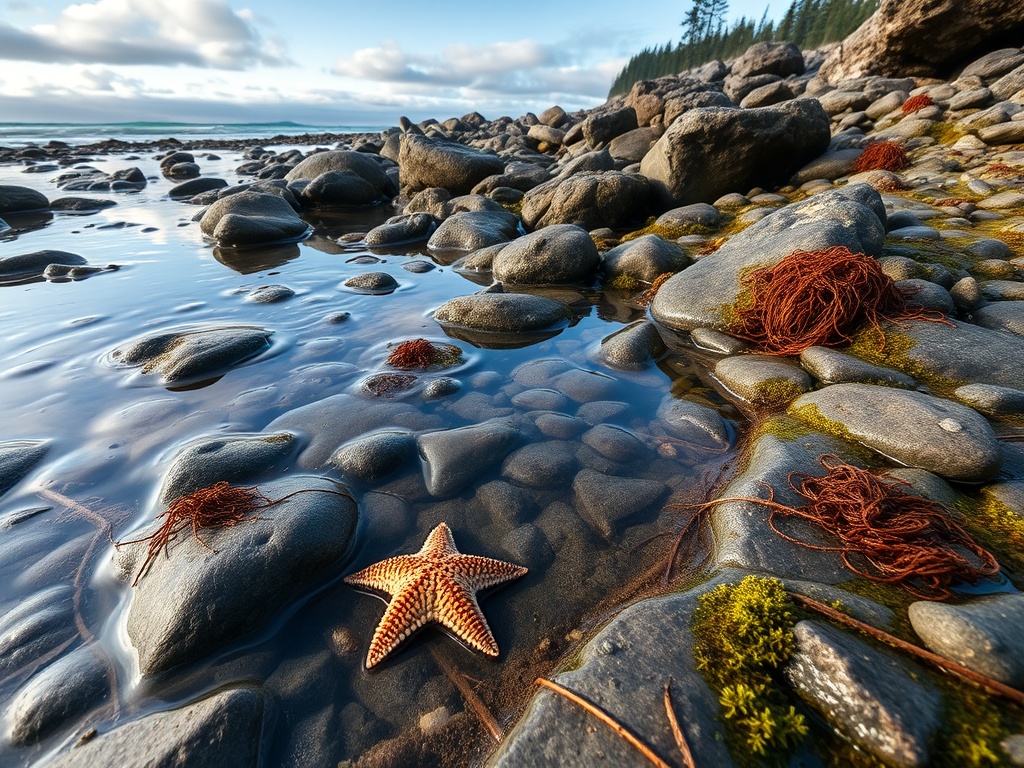
Before you decide anything else, check the tides. Low tide opens up tidal pools, hidden beaches, and shoreline walks you simply can’t access otherwise. High tide, on the other hand, can be perfect for paddling or watching marine life closer to shore.
Even a two-hour difference can completely change what’s possible.
Let the morning set the tone
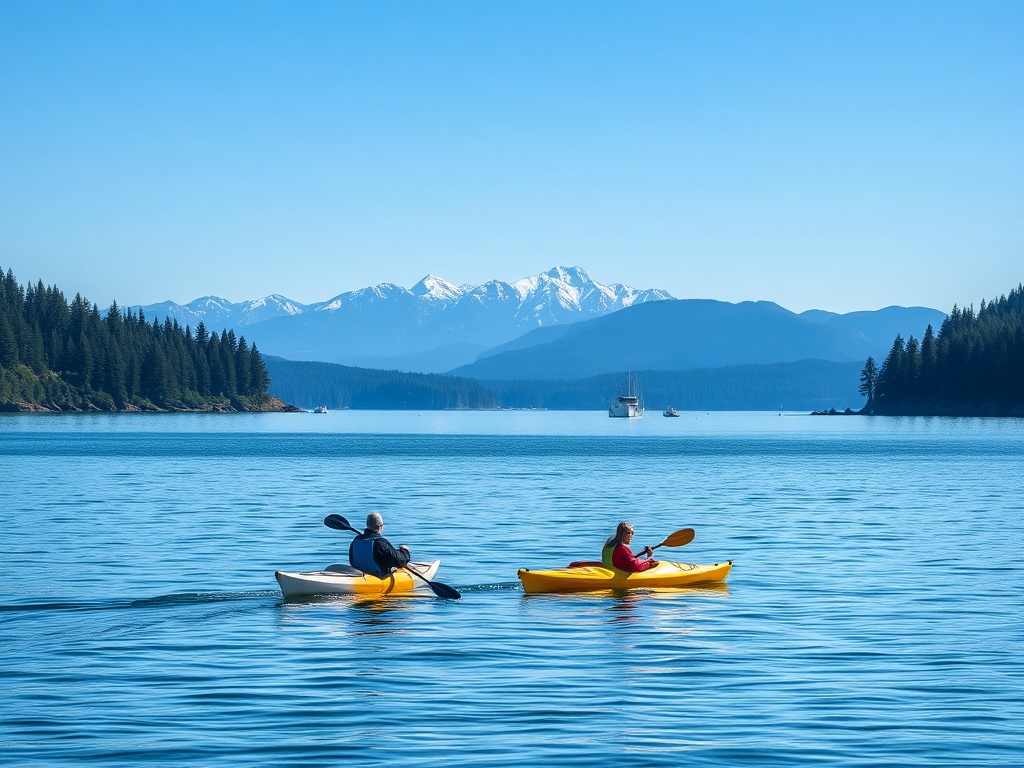
Mornings in Campbell River often bring calmer water and softer light. That’s when locals head out for ocean activities—kayaking, paddleboarding, or just walking the seawalk with a coffee.
If you wake up to glassy water, don’t waste it indoors. That’s your signal.
Build your day in layers
Instead of locking in a full-day plan, locals loosely structure their day:
- Morning: water-based activity if conditions are right
- Midday: food, errands, or inland exploring
- Afternoon/evening: return to the water if the conditions shift again
This flexibility is what allows you to catch those “perfect windows” that visitors often miss.
The Payoff: What You Start Noticing
Once you adopt this habit, Campbell River feels completely different.
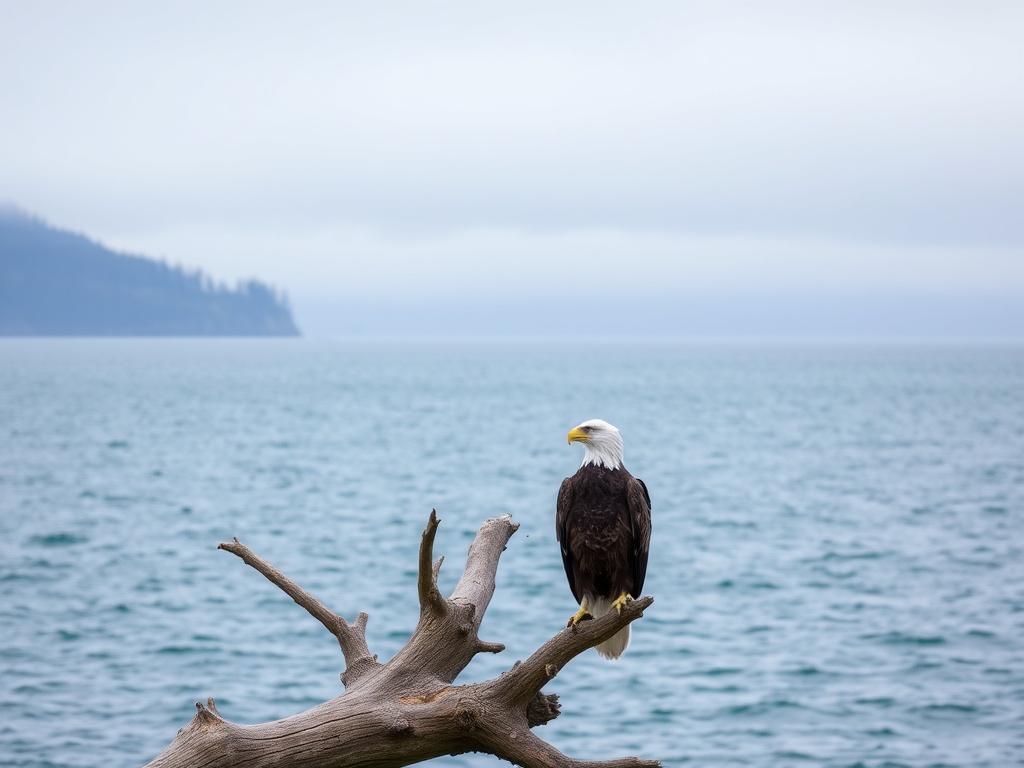
You see more wildlife. Eagles, seals, and even whales tend to appear when conditions are right—not when it’s convenient. Being aligned with the water puts you in the right place at the right time.
You find better spots. Some of the best beaches and shoreline areas only reveal themselves at certain tides. Without timing, you’d walk right past them.
You avoid crowds without trying. Most visitors follow fixed schedules. By moving with the tides, you naturally end up in places when they’re quiet.
You slow down—in a good way. This isn’t forced relaxation. It’s a natural shift that happens when you stop trying to control the day.
Common Mistakes Visitors Make (And How This Fixes Them)
There are a few patterns you see over and over again.
Trying to “do it all” in one day
Visitors stack activities back-to-back, often missing the best conditions for each one. By the time they reach the coast, the tide is wrong or the light is harsh.
Planning around water forces prioritization—and better experiences.
Ignoring the tides completely
This is the biggest miss. Without understanding tides, you might show up to a rocky shoreline expecting beaches—or vice versa.
Locals don’t guess. They check.
Sticking to rigid timelines
Reservations and schedules have their place, but building your entire day around them works against what makes Campbell River special.
This habit introduces just enough flexibility to let the place reveal itself.
How to Apply This on a Real Weekend
Here’s what this looks like in practice.
Day 1: You wake up, check the tide—low tide at 9:30 AM. That becomes your anchor. You head out early to explore tidal pools and walk stretches of shoreline that would be underwater later.
Late morning, the tide rises. You pivot. Grab lunch, explore town, maybe head inland for a short trail.
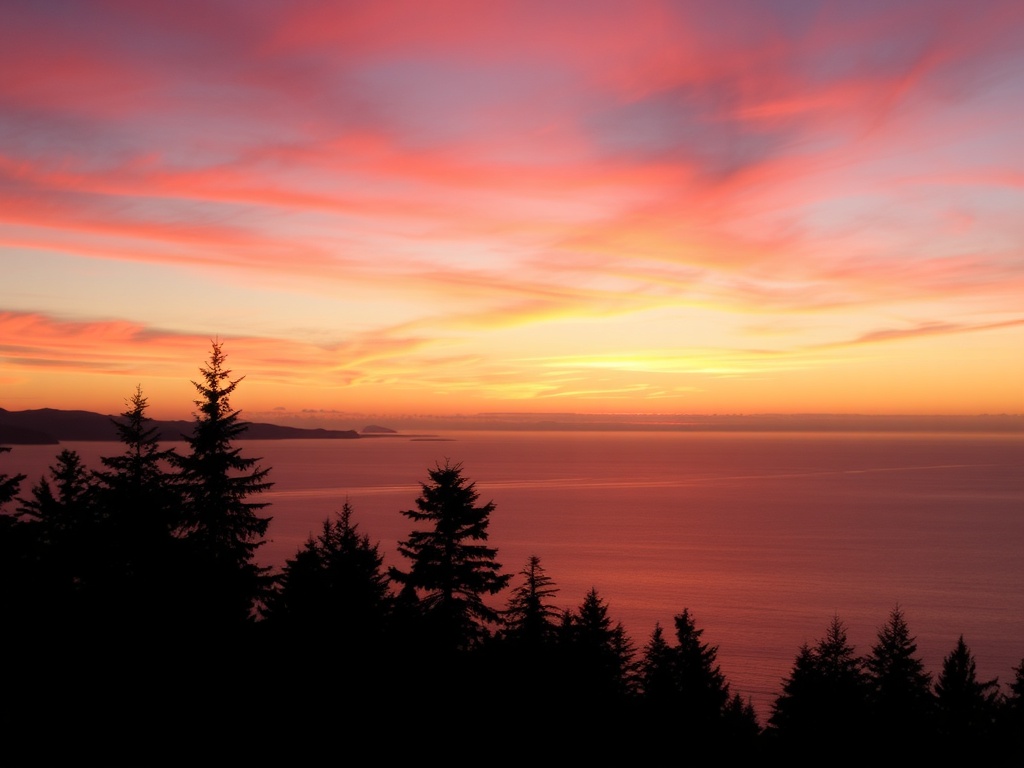
Evening brings calmer winds. You return to the water—this time for a sunset walk or just sitting by the ocean.
Day 2: Conditions change. Maybe the morning is windy. Instead of forcing it, you start slower—coffee, a drive, a lookout. By afternoon, things settle, and that’s when you go out.
Same place, completely different experience—because you followed the conditions instead of fighting them.

The Subtle Mindset Shift Behind It
This habit works because it flips your role.
You’re no longer trying to “see” Campbell River. You’re responding to it.
That might sound small, but it changes everything. You stop asking, “What should I do next?” and start asking, “What makes sense right now?”
That’s how locals operate—not because it’s a rule, but because it’s the only way to fully experience a place like this.
And once you do it, it’s hard to go back to rigid travel again.
One Tip, Done Right
If you remember nothing else, remember this: check the water before you check your plans.
It’s the simplest adjustment you can make, and it unlocks a version of Campbell River most visitors never actually see.
Everything else—where you go, what you do, how your day feels—falls into place after that.