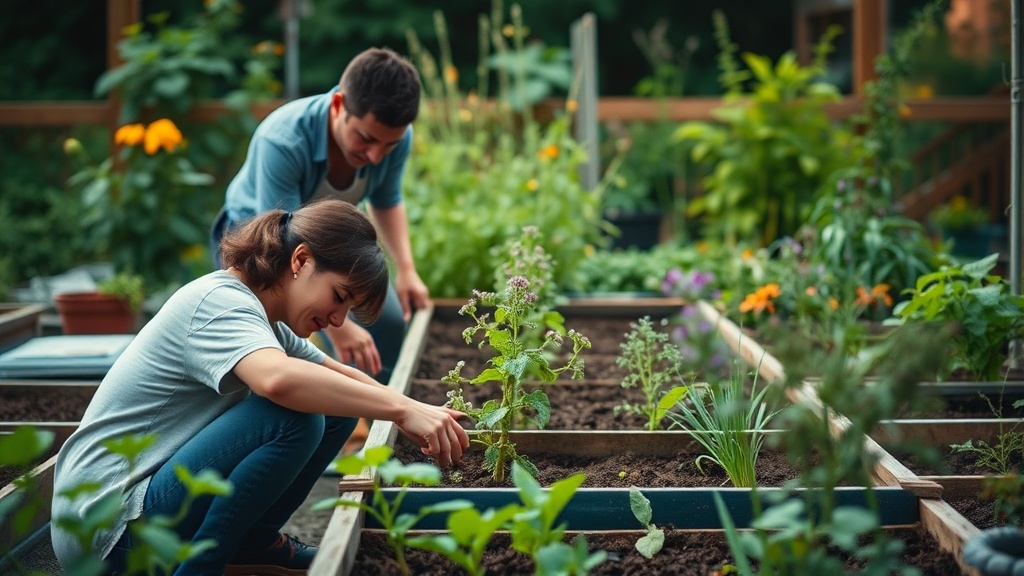
Cultivating Community: Launching a Shared Garden Space in Campbell River

Does Campbell River need more green thumbs working together?
Ever dreamed of growing your own food, connecting with neighbours, and beautifying a shared space right here in Campbell River? Community gardens aren't just patches of soil; they're vibrant hubs for local connection, food security, and environmental education. They give urban dwellers a chance to get their hands dirty, share gardening wisdom, and harvest fresh produce, all while building a stronger sense of local camaraderie. If you’ve felt that quiet urge to dig in and contribute to something truly special in our town, starting a community garden might just be your calling.
This guide walks you through the practical steps to transform that idea into a thriving reality. We'll look at everything from rallying your initial team to securing land and keeping your garden flourishing year after year. It's a venture that requires dedication and a bit of planning, but the rewards—fresh vegetables, new friendships, and a greener neighbourhood—are well worth the effort.
What's the First Step to Starting a Garden Group?
Before you even think about shovels or seeds, you need people. A community garden is, after all, about community. Start by gauging interest within your neighbourhood or a specific group you belong to. A simple online survey shared through local social media groups, a notice on a community bulletin board, or even a casual chat at the dog park can reveal a surprising number of aspiring gardeners. Look for individuals who aren't just excited about growing food but are also willing to contribute time, energy, and perhaps even some organizational skills. You'll want a diverse mix: some green thumbs, some project managers, and maybe a few folks who are just great at rallying volunteers.
Once you have a core group—let’s say five to ten committed individuals—form a steering committee. This group will be responsible for the initial legwork. Hold regular meetings, even if they're virtual to start, to define your garden’s vision. What kind of garden will it be? Will it be individual plots, a communal food forest, or a mix of both? What are your collective goals—fresh produce for members, donations to local food banks, educational programming? Establishing these foundational principles early on will provide a clear direction and help you avoid future disagreements. Consider drafting a simple mission statement and a basic set of operating principles. This isn't about rigid bureaucracy; it’s about creating a shared understanding and a framework for decision-making as your project grows.
Think about the time commitment involved. Setting up a new garden isn't a one-weekend job; it’s an ongoing project that will need consistent care, especially in its first year. Be realistic with yourselves and your potential members about what’s expected. Clearly communicating these expectations from the outset can help retain committed volunteers and reduce burnout down the road. Remember, a successful community garden isn't just about plants; it’s about nurturing the people who tend them.
How Do We Secure the Right Land for Our Garden?
Finding suitable land is often the most significant hurdle. You're looking for a sunny spot, ideally with good drainage, accessible water, and relatively flat terrain. Start by scouting potential locations within your target area. Think about vacant lots, underutilized park spaces, or even larger plots owned by churches, schools, or other institutions. Once you've identified a few promising candidates, the next step is to figure out ownership.
If the land is publicly owned—say, a city park or municipal lot—you’ll need to approach the City of Campbell River’s Parks and Recreation department or perhaps the planning department. They can advise you on city policies regarding community gardens, zoning regulations, and the process for applying for a land use agreement or permit. Be prepared to present your group’s vision, a proposed site plan, and how the garden will benefit the broader community. The city often appreciates initiatives that beautify public spaces and promote healthy living. You might find resources or even existing policies already in place to support such endeavours.
For privately owned land, your approach will differ. Property owners might be enthusiastic about lending their land, especially if they see the community benefit and a well-organized group. Prepare a formal proposal outlining your plans, detailing how the land will be used, how insurance will be handled, and what the exit strategy would be should the agreement end. A formal lease agreement, even a simple one, is always recommended to protect both parties. In either case—public or private—it’s wise to perform a soil test on any prospective site. This will tell you about the soil’s composition, pH levels, and any potential contaminants, guiding your soil improvement strategies and ensuring your produce is safe to eat.